

铁路在WWI期间发挥了重要作用。
When Britain declared war on Germany in 1914, trains efficiently moved huge numbers of troops and equipment between the Home Front and France.
在冲突期间不可能的方式,火车也在英国和大陆欧洲运输口粮,水和煤炭。
This year我们标记了100thWWI结束周年纪念日by joiningThe Royal British Legion说谢谢你们所有人的所有人,牺牲和改变我们的世界。
亚搏彩票软件官网网络轨道支持军团Poppy Appeal,为武装部队社区服务的男女,退伍军人及其家人提供终身支持。
A huge industry
1914年,该国有23,000英里的铁路轨道和4,000站,根据行业机构Rail Delivery Group. Passenger numbers had reached more than 1.5 million.
The railway had become one of Britain’s biggest employers with more than 700,000 workers. Of these, more than 100,000 enlisted when war broke out, leading to a substantial skills shortage at home when the railway was under great pressure than to deliver forces and supplies to the front line.
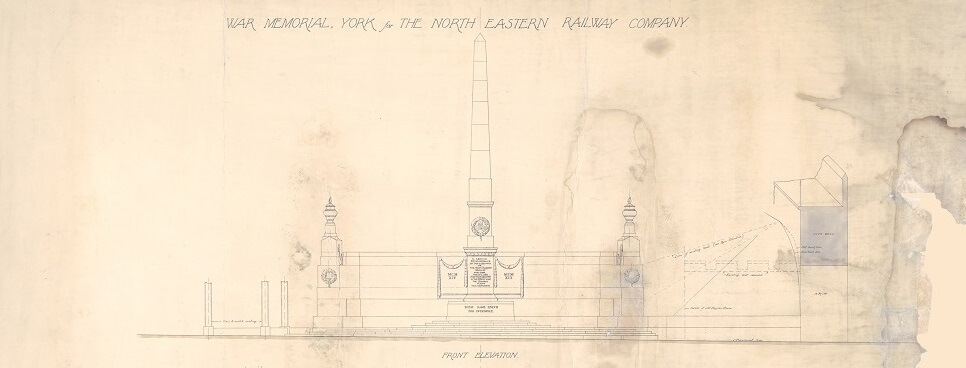
By the end of the war, 20,000 railway staff had tragically lost their lives. The railway remembers them in memorials across the country.
The first deployments
Britain declared war on 4 August 1914 and by the end of the month, the railway had transported almost 120,000 servicemen to Southampton, where they would board boats to France.
The first train carrying members of the original expeditionary force left Waterloo station on the morning of Sunday 10 August, arriving into Southampton station at 8.15am.
在接下来的三周内,一个充满部队的火车每12分钟将达到码头,每天14小时。


Women and the railway
About 13,000 women worked on the railway in 1914, mostly in domestic jobs such as cleaning, washing and waitressing. With 100,000 men enlisted, women stepped in to fill essential functions.
In fact, more than 1.6 million women took on traditionally male jobs, with more than 100,000 working in various forms of transport, particularly as engineers.
许多人在战争结束时仍然存在。在铁路上工作的妇女人数从未落在WWI前水平以下。
救护车列车
火车转化为移动医院 - 在英国和国外治疗的受伤人员。在战争期间,这些火车移动了大约六百万伤的军人。
救护车列车, which became the primary mode of transport for the sick and injured, even had operating theatres and tiled floors, walls and ceilings for better hygiene. Surgeons would perform emergency operations mid-journey, despite the movement of the train.

The secret railway
A new station, line and port were built in Richborough in Kent as Dover reached capacity during the war. Known as The Secret Harbour of 1916, it transported tonnes of materials required for the war on train wagons rolled from the track to ferries.
This infrastructure significantly cut the amount of work and time needed to move supplies. Between 1916 and 1918 it carried more than 1.2 million tonnes of supplies and munitions.
The Secret Harbour itself was camouflaged and all its buildings painted to match the background of a low-lying area.
Welcome home
Troops coming home after long periods abroad received a rail ticket to see their loved ones. Tired from service, they were often greeted by volunteers providing free refreshments paid for by donations. The free buffet at Waterloo station fed more than eight million sailors and soldiers between 1915 and 1920.
