The rail industry has come together on the 75th anniversary of Victory in Europe Day to say thank you to everyone who served and sacrificed during WWII.
这条铁路在冲突中发挥了至关重要的作用,包括将撤离人员运送到安全地带,在英国各地运送必需品,以及派火车接回从敦刻尔克解救出来的33.8万多士兵中的许多人。
疏散
The first wave of evacuations of children and vulnerable adults took place in the first week of September 1939, immediately after the outbreak of war.
All the Big Four railway companies – Great Western Railway (GWR), London, Midland and Scottish Railway (LMS), London and North Eastern Railway (LNER) and Southern Railway (SR) – were involved.
Throughout Britain, 3,823 special trains carried 1,334,360 schoolchildren and some adults in the evacuation of 1 to 4 September 1939, which was achieved over and above the scheduled services, according to The National Railway Museum (NRM).
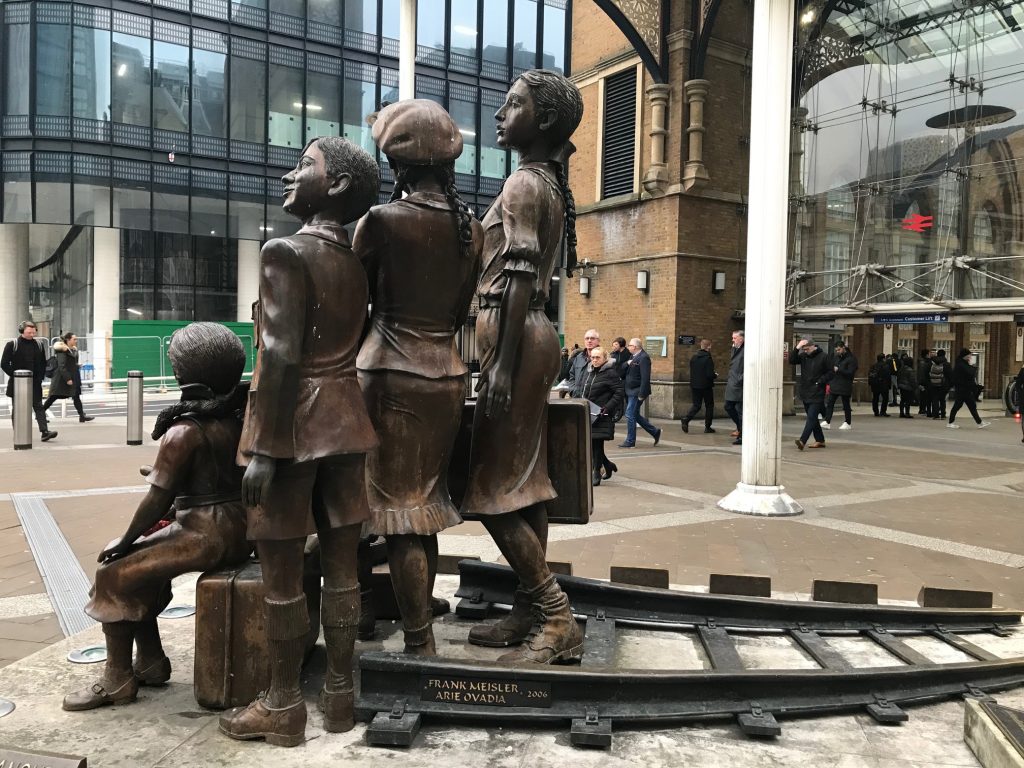
Meanwhile, 10,000 Jewish children fleeing Nazi persecution arrived at London Liverpool Street station between 1938 and 1939. Today, a statue at the station commemorates the Kindertransport mission.
敦刻尔克
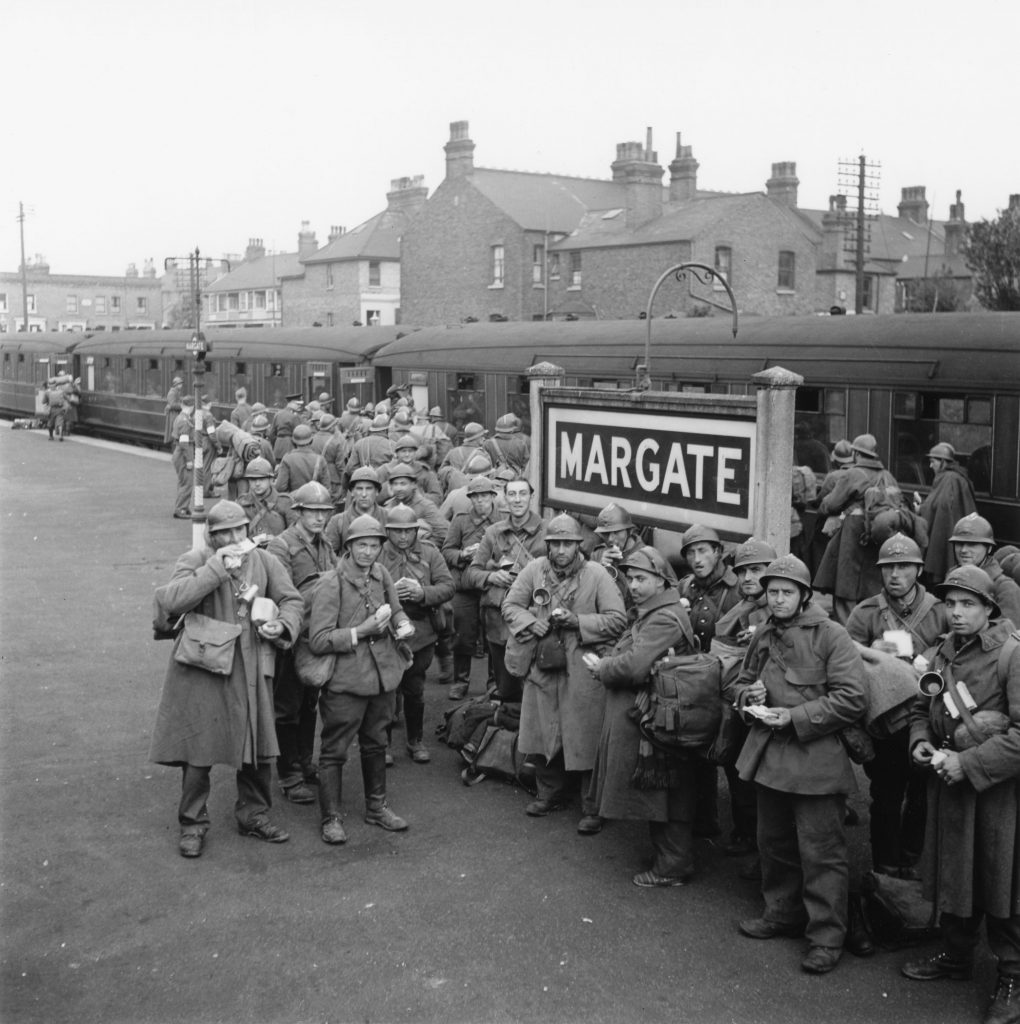
1940年5月和6月,超过33.8万盟军从法国北部获救,铁路在敦刻尔克撤退中发挥了巨大作用。
NRM称,这次行动实际上是盲目进行的,因为他们无法准确估计抵达英国的部队人数或特定码头或码头的登陆率。
因此,铁路运营保持尽可能灵活,以便列车能够根据需要作出反应。1940年5月27日,所有铁路公司制造了186列长途客车,运到港口,装上部队,送到报告点,以获得前往最终目的地的方向。
共有620列火车将31.9万余名士兵从登陆点运送到全国各地。NRM表示,该行业在转移政府交通和进一步疏散儿童的同时实现了这一目标。1940年6月6日,部队从法国其他地区撤离到英格兰西南部,需要另外200列火车。
D-Day
1944年4月5日,作为盟军入侵欧洲的霸王行动(D日)的一部分,铁路餐车停止使用。到1944年5月底,列车时刻表上的26.4万英里被缩短了,因为列车轨道被清理出来供霸王使用。NRM的数据显示,在10月份放宽限制之前,服务业的过度拥挤状况依然存在。
By D-Day, passengers would have been accustomed to war-related disruption to their journeys. Rail freight activity, for instance, grew significantly. In 1939 alone, the railway moved more than 254 million tonnes of goods and more than 90 million parcels across Britain, according to trade body Rail Delivery Group.
铁路女性劳动力大幅增加
就像第一次世界大战一样,在铁路上工作的妇女人数在第二次世界大战期间大幅增加。根据RDG的数据,到二战结束时,从事铁路工作的妇女人数从1939年的635人增加到1945年的10899人。
About 13,000 women worked on the railway at the beginning of WWI in 1914, mostly in domestic jobs such as cleaning, washing and waitressing. With 100,000 men enlisted, women stepped in to fill essential functions.
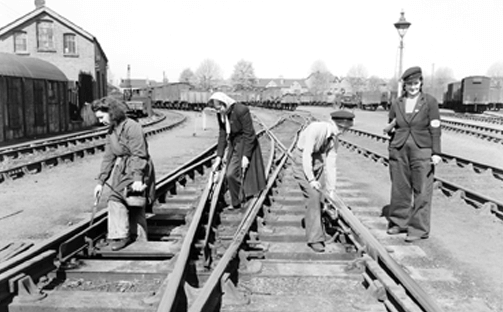
160多万妇女从事传统上由男性担任的工作,超过10万人从事各种形式的运输,特别是工程师。
防空洞
也许二战期间铁路最著名的故事之一就是它为军人和平民提供住所和食物的作用。
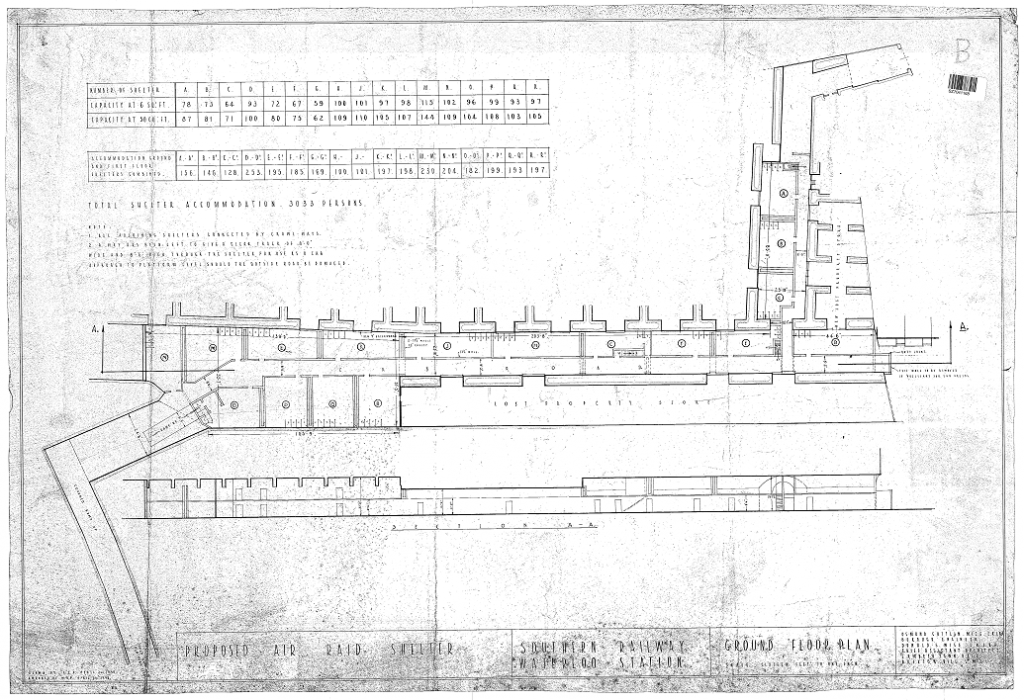
英国国营铁路公司档案馆中最引人注目的图纸包括这张机场防空洞的平面图亚搏彩票软件官网伦敦滑铁卢站:
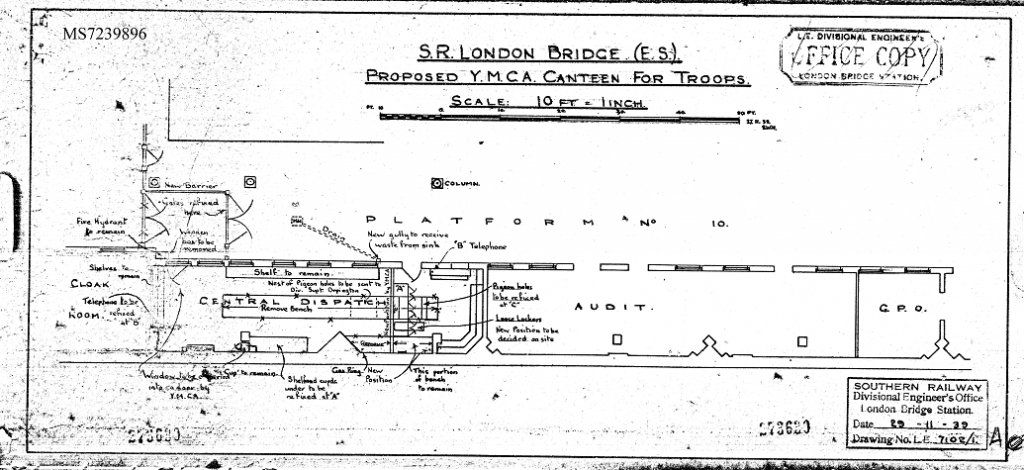
In 1939,伦敦桥站计划为军人提供专用食堂: