
Our teams have just completed our latest bout ofbank holiday engineering worksto maintain and upgrade the railway for better journeys for passengers and freight operators.
The wide-ranging projects includedtrack更新s, improvements to drainage and preparations for one of our biggest upcoming projects –East West Rail.
Tim Shoveller, managing director for Network Rail’s North West & Central region, said ahead of the works: “Our mission-critical frontline colleagues, including railway upgrade engineers, signallers, maintenance, control room and operations staff, are Britain’s hidden heroes, helping to keep Britain connected in this time of need. And I’m proud of them.”
Here's a look at some of our work over the Easter weekend:
Bedfordshire
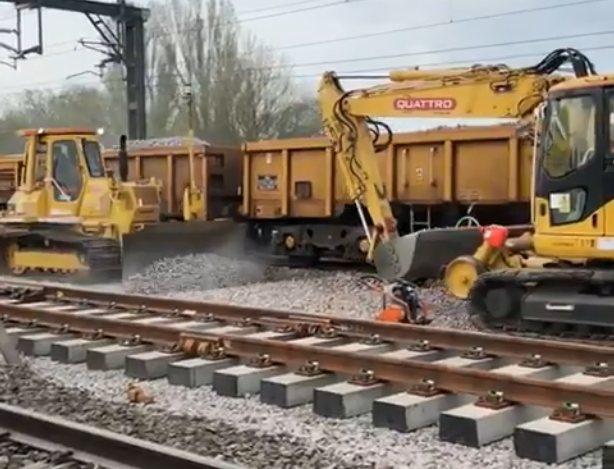
We renewed track atLinsladetunnel in Bedfordshire for improved reliability of services:
Buckinghamshire
Just a short trip up the line, inBletchley, Milton Keynes, we carried out preparation work forEast West Rail, which will link Oxford, Aylesbury, Milton Keynes and Bedford.
East West Rail will make travel across Britain easier by re-establishing a rail link between Oxford and Cambridge.
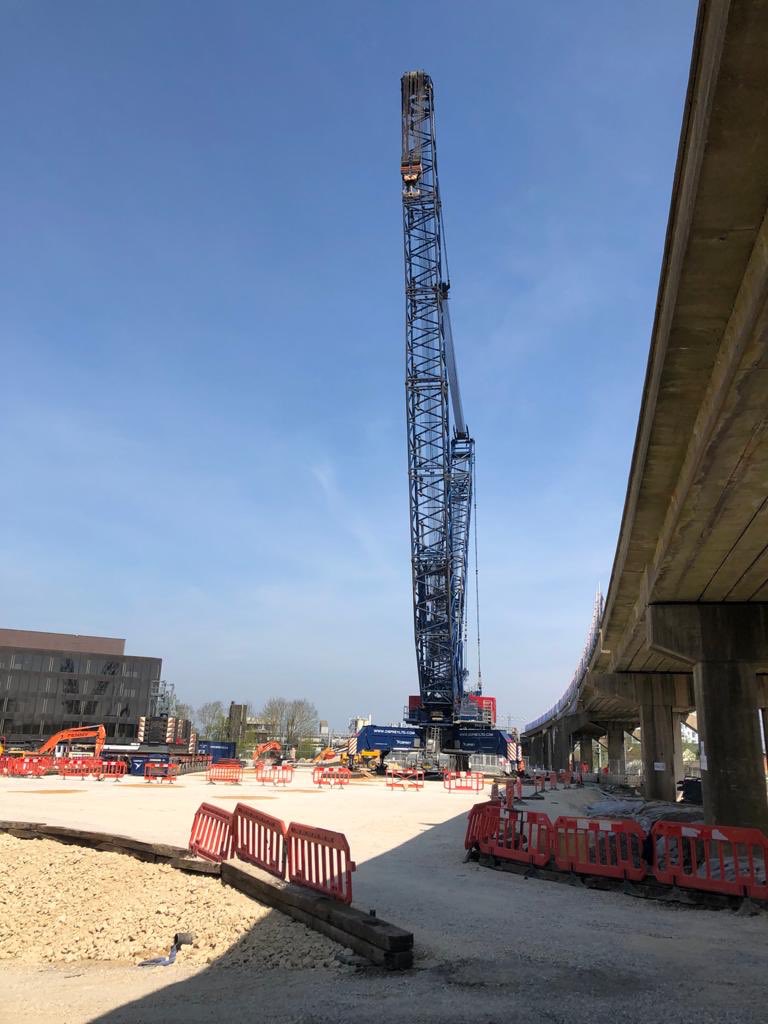
We prepared to remove sections of the flyover across the West Coast Main Line. The flyover will be refurbished to safely carry trains for years to come:
Greater Manchester
Track renewals took place atGolbornenearWarrington. This project involved clearing ballast from the sleepers and required a crane to controls operations:


Lancashire
We improved drainage on the West Coast Main Line betweenPrestonandLancasterin Lancashire to make this vital route more reliable for passengers and freight operators:

Meanwhile, we worked to replace Euxton junction on the West Coast Main Line, near Chorley:


Scotland
At Polmadie, near Glasgow Central, we used a tamper to raise the height of the track by inserting large tools called tines into the ballast, forcing them together moving the ballast under the sleepers.
It's programmed with geometrical data that shows where the track should be, comparing it with the actual position using the on-board kit. It then calculates the movements required to reposition the track according to the data. This means more smooth, comfortable journeys.
South West England
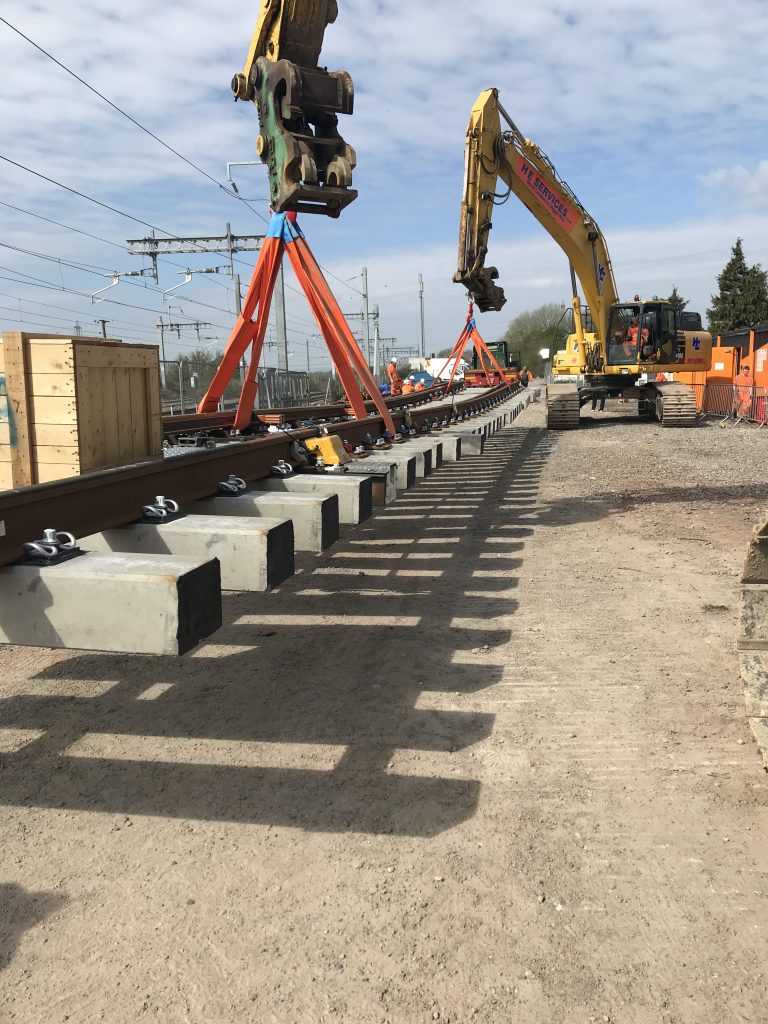
Final preparations took place atPilning stationnearBristolahead of track renewal; we're replacing points, which enable trains to change lines, between Pilning and the Severn Tunnel:
West Midlands
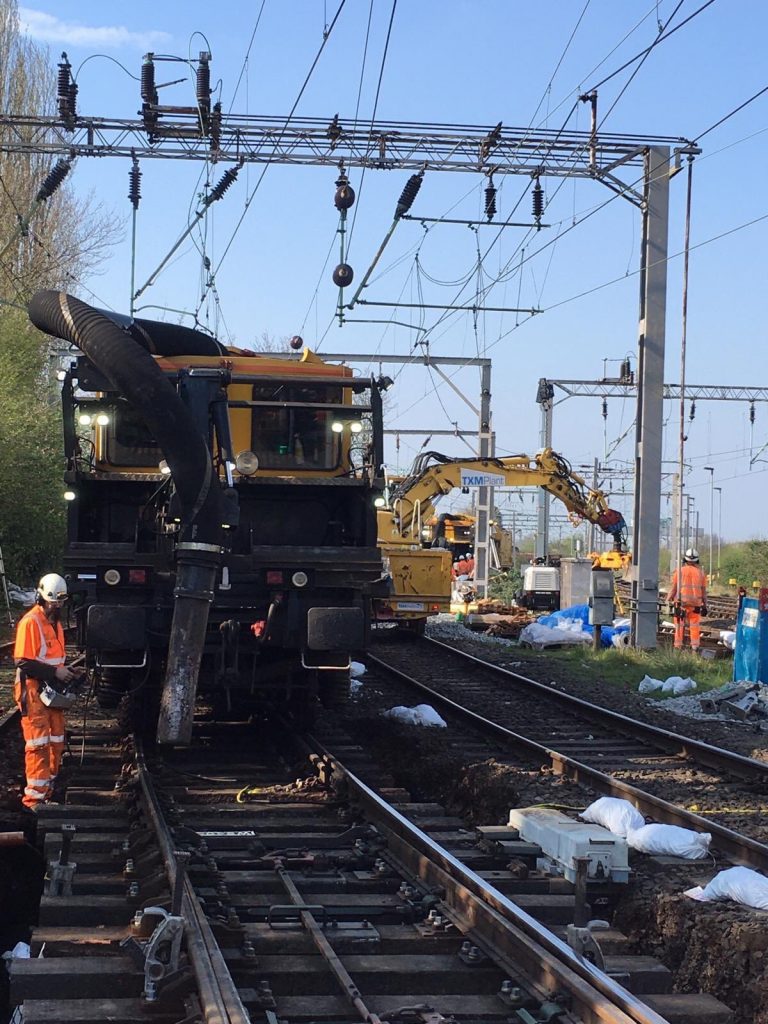
In Wolverhampton, we replaced and cleaned the trackballast. Ballast is the stone bed on the railway that gives stability to the track. It also helps with drainage, so rain water can drain away rather than pooling, and with preventingvegetationgrowth, which could destabilise the track and pose a hazard to anyone working on the railway.
We need to renew ballast to keep the railway safe:
We gaveBirmingham New Streeta deep clean. It included all entrance matting at the station:


We were only able to get this work done because our teams have stuck toPublic Health Englandguidelines to give each other enough space. We've used these great stickers at our sites to help:
